Protect Your Concrete This Winter With Durable Sealers
During the winter season, concrete surfaces take a lot of damage, like from freezing and melting, moisture entering, and chemicals being added, and they start to wear out over time, even the most durable slabs. To lessen the damage and help the surfaces last longer, it is best to apply the right sealers for winter protection. Good sealing keeps the cement in good condition, improves the concrete's quality, and is good for homeowners, contractors, and people who manage commercial properties.
During the construction phase, using good-quality materials has a great impact on the durability of the structure. In concrete construction, it is very important to use the right concrete mix and to add the right reinforcements to achieve a strong foundation. However, sealing in winter is also highly important for the concrete's performance in the long run.
Why It Matters for Longevity and Structural Strength
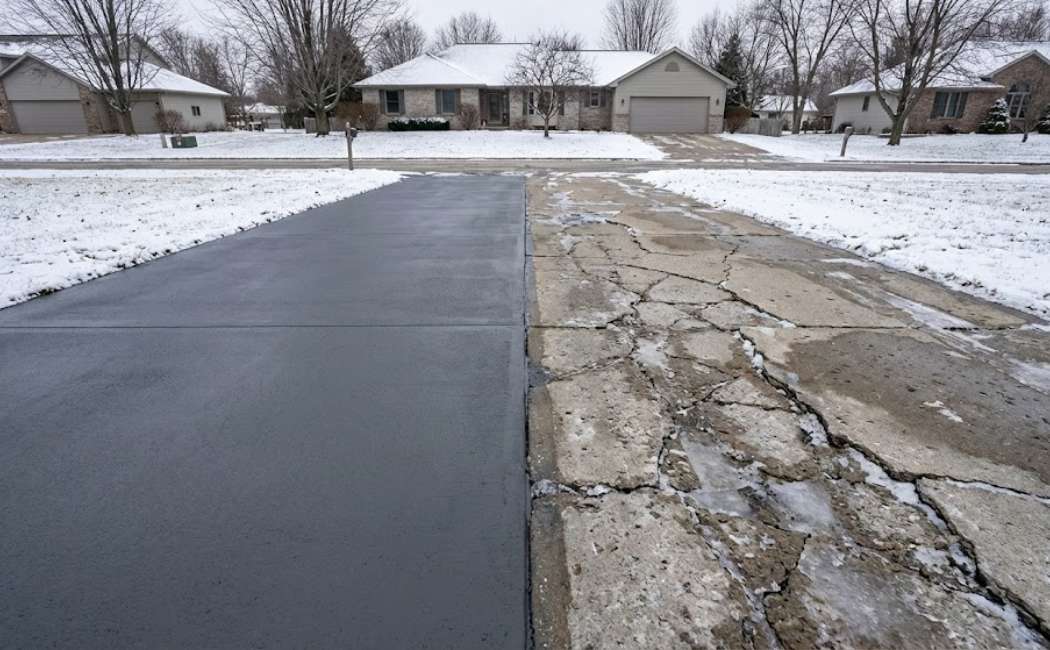
Concrete is often treated as if it were almost durable, but in low-temperature conditions, it is actually under a lot of pressure. Without protection, the surface of the concrete will wear out, and the steel rod will start to rust. Sealing the surface for winter will help to lessen the surface damage, and the cement will be in better condition, plus it will cost less to take care of in the long run. It will also be very important for structures that are under a lot of physical pressure or structures that have high temperature swings.
Why Concrete Gets Damaged in Winter Weather
There are many ways winter damages concrete:
- Freeze/ thaw cycles: Water trapped in concrete expands with cold and causes internal stress and surface cracks.
- De-icing salts: Chemicals speed up surface coatings, weaken, and corrode the rebar.
- Moisture Penetration: Wet and freeze cycles cause spalling and scaling.
In these ways, ice and snow weaken concrete and make repairs and replacement more costly.
What Do Winter Concrete Sealers Do?
Sealers protect and limit snow and ice damage to concrete in winter weather.
1. Moisture Barrier Protection
Cements prevent water absorption, freezing, and the enlargement of cracks in the slab.
2. Salt and Chemical Resistance
Sealers are crucial for driveways, walkways, parking lots, and industrial spaces that see the use of road salts or other chemicals.
3. UV and Abrasion Resistance
Concrete that stays outside gets worn down and exposed to sun, foot, and vehicle traffic. Sealers reduce this wear and continue surface life.
Best Concrete Sealers for Winter Weather
Different applications require different sealers. Making a good choice guarantees the most protection.
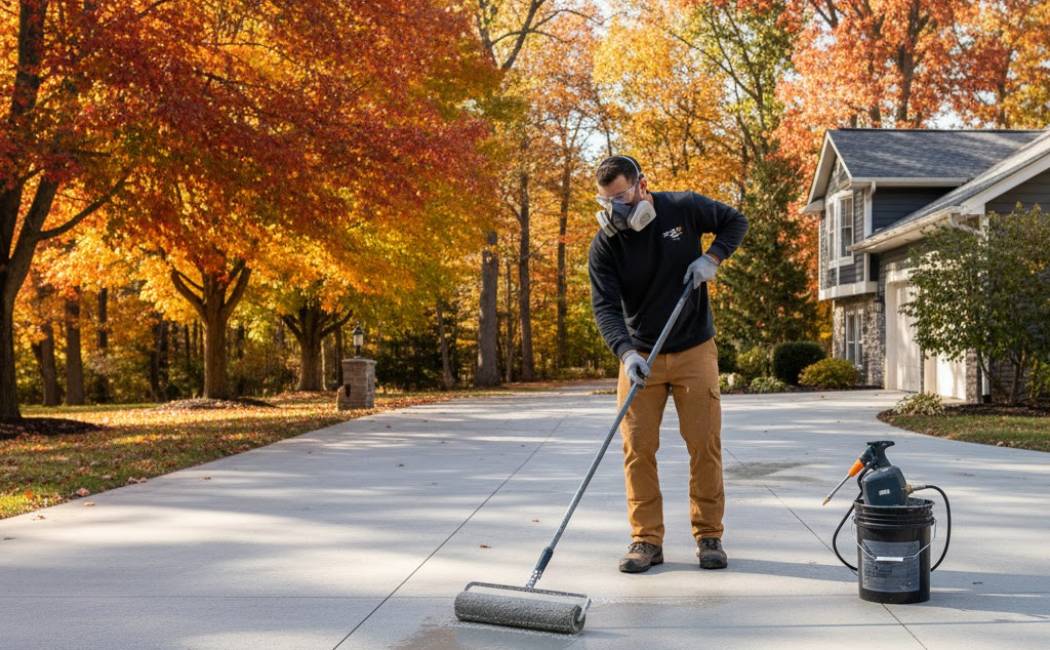
1. Silane/Siloxane Penetrating Sealers
- Deep penetration
- Good for areas prone to freezing
- Breathable and lasts a long time
2. Plastic Sealers
- Cheap
- Common for decorative concrete
- Offer a glossy and satin finish
- Epoxy and Polyurethane Sealers
- Good for high traffic areas
- Very high abrasion resistance
Used for garages, warehouses, and sidewalks
When Should You Put Concrete Sealers Before Winter?
Fall is the best time period, before the cold weather comes.
Certain sealants must be done when there is a:
- Dry surface
- Completely cured slab
- Concrete is clean and free of contaminants
Do not seal in extremely cold, humid, or wet conditions, as this does not allow the surfaces to adhere.
Most Common Mistakes Before Winter Seal Concrete
- Neglect resealing areas with a lot of foot travel every 2-4 years
- Putting sealers designed for indoors outside
- Mildew seal
- Putting sealers down on wet or dirty surfaces
These mistakes lead to slab damage and a decrease in overall sealant effectiveness.
Winter Maintenance Tips for Sealed Concrete
Use calcium magnesium acetate for melting instead of harsher salts. You help to keep the surfaces clean to help decrease the amount of dirt and debris that gets ground in.
Look at your sealed slabs and check for cracks, holes, or any wear and tear. Triple-check that there is no minor damage to the plates so that it does not get any worse. Doing the above helps the sealer hold up and do its job throughout the winter season.
How Professional Sealing Boosts Concrete Longevity
When it comes to sealing concrete, all contractors are created equal, and the pros definitely have the winning combo of knowledge and tools to do the job right.
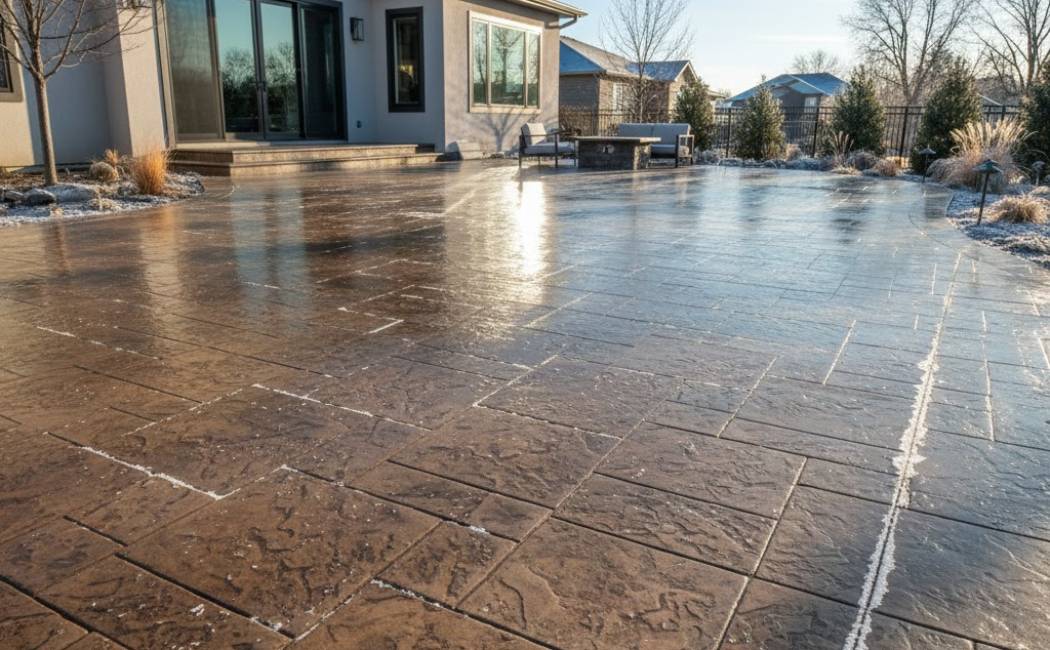
1. Expert Surface Prep
Authorized professional sealers take the time to get rid of all the contaminants that can get in the way of proper adhesion.
2. Matching Sealers With Climate
Working with Concrete Construction Service, professionals take high and low temperature cycles, traffic flow, and other durability needs into account to choose the perfect sealant.
3. Long-Term Structural Benefits
With pro sealing, concrete doesn’t crack, scale, or corrode, which is super important for saving money and time in the long run.
What Concrete Sealing is Important in Texas
Concrete sealing is important in Texas because of the heat cycles, and in the commons and residential areas, the occasional freeze.
Concrete sealing is important in:
- Driveways
- Warehouses
- Parking and Curbs
- Patios and Pool Decks
- Commercial Loading Areas
The Best Concrete Chooses for Residential and Commercial Construction, plus the Proper Sealing adds more strength and more compliance in surfaces to withstand more heavy-duty work, more extreme weather, and a wider range of usages.
Conclusion
Winter brings lots of problems for concrete, such as moisture getting in, salt damage, cracks, and rough patches on the surface. Applying high-quality concrete sealant before the cold weather decreases these risks. By getting concrete sealed in the Fall, the value, aesthetic, and integrity of the property are preserved; if concrete isn't sealed, damage repair will be expensive. Damage gets difficult to repair the longer it is left unsealed, and the repair will cost a lot of money. If you own or manage a home, warehouse, or commercial property, you will get dependable, high-quality, and long-lasting service from us. Schedule winterization of your concrete sealant and winterization of your concrete as soon as possible to be ready before winter hits.
FAQs
Do concrete sealers actually help in winter?
Definitely. Concrete sealers keep the surface from freeze-thaw damage, moisture infiltration, corrosion, and surface cracking. So, they help with winter weather protection.
How often should I reapply concrete sealer?
On average, it's about every 2-4 years, and that mostly depends on the traffic, the weather, and how you seal it. More resealing is needed in areas of high traffic.
Can you put on concrete sealer in the cold?
No, sealers must be put on when the temperatures are mild, which is usually in the fall, and when the concrete is dry, clean, and the weather won't be freezing.
Which sealer is the best for driveways that take on road salt?
Silane/Siloxane penetrating sealers are best for those driveways because they resist salt and moisture and freeze cycles better than surface-only sealers.
Is there a change in appearance when sealing concrete?
With a penetrating sealer, the natural look will be kept. But with an acrylic, epoxy, or polyurethane sealer, the surface will be given a glossy or satin finish, if that's preferred.