Construction vs. Remodeling: Which Costs Less and Which Adds More Value?
The next major decision, once your property is no longer what you need, is whether you should remodel your current space or build new. This will depend on how much you have to spend, your long-term plans, the condition of your property, and the return on investment you want.
Many homeowners think that remodeling is always the less expensive choice. In truth, structural problems, long-term system changes, or a massive layout adjustment can make renovations extremely costly. Similarly, new construction comes with a higher initial cost but provides new design, efficiency, and reduced maintenance.
From adding onto a home to investing in a home or designing a new home, knowing what each choice is financially and practically can help you choose wisely. This guide will detail the costs, time, value, and considerations to help you make an informed decision on which way is best for your property.
Construction vs Remodeling – What's the Difference?
These are two distinct types of projects which are frequently used interchangeably.
Remodel: Modifies an Existing Structure
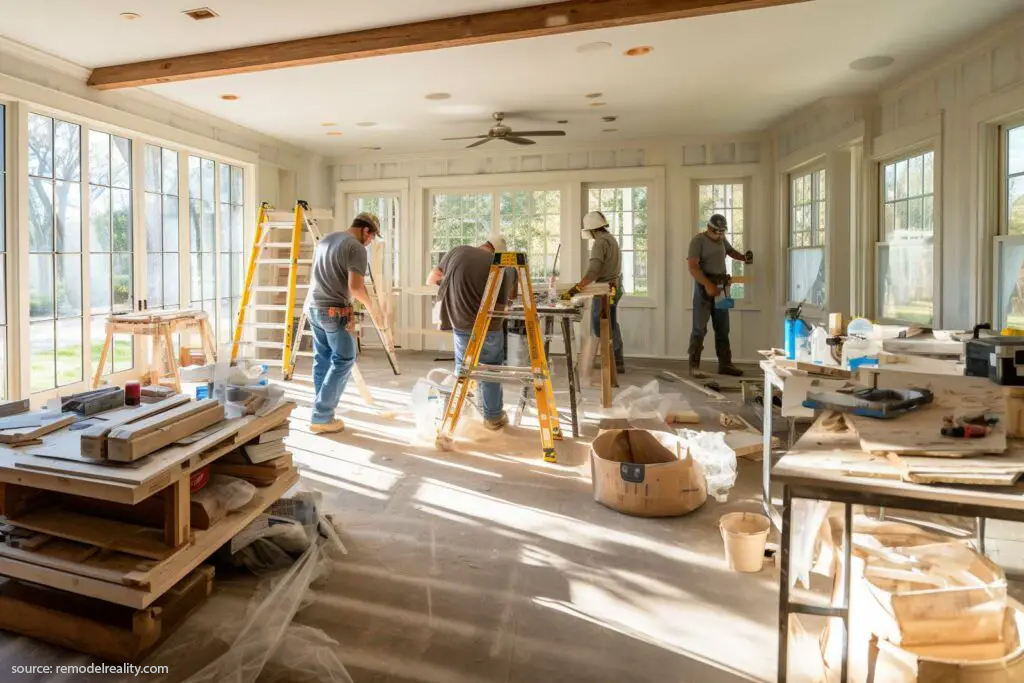
Remodeling is the changing or improvement of an existing home. Projects can be as simple as external fixes, or they can be more complex and involve structural changes or interior renovations.
Examples include:
- Kitchen remodeling
- Bathroom renovations
- Basement finishing
- Room conversions
- Home additions
- Interior layout changes
A Construction and Renovation Company usually assesses the state prior to recommending the most feasible remodeling solution for the residence.
New Construction Results in a New Building
New construction is built from the ground up. It encompasses site work, foundation, framing, roofing, utilities, and finishing.
Typical phases include:
- Land Evaluation: A review of land to verify its suitability, stability, and safety before undertaking construction or building activity.
- Structural Engineering: Designing the framework of the building so that it is strong, stable, durable, and safe for daily use and weather conditions.
- Architectural Plans: Comprehensive, detailed drawings that illustrate the design, layout, dimensions, and features of a building to facilitate successful construction from start to finish.
- Permit Approvals: Local authorities verify that the project meets applicable building codes and regulations before construction can proceed.
- Foundation Installation: The foundation provides the groundwork for the entire building, helping ensure it remains stable, level, and secure.
- Choosing Quality Materials: Concrete, wood, steel, bricks, and other materials should be selected carefully based on durability, cost, aesthetics, and project requirements.
- Final Inspections: A comprehensive site inspection determines whether the construction project has been built according to approved plans, building codes, and safety standards.
New construction also provides greater flexibility in design, with opportunities to incorporate modern building codes and energy-efficient systems.
Which One Is Cheaper?
The answer is typically based on the cost and condition of the property; however, it is not always a clear-cut decision.
Remodeling Can Cost Less If the Structure Is Sound
Remodels are usually more cost-effective if the foundation, framing, plumbing, and electrical systems in the home are all in good condition. Remodeling can save money because it avoids major excavation, new foundations, complete utility installation, and full framing costs.
However, when demolishing or renovating older houses, unexpected issues can come to light.
These may include:
- Water damage
- Mold
- Outdated wiring
- Foundation movement
- Structural deterioration
Unexpected problems can quickly take up a significant portion of the construction budget.
Initial Costs Are Higher With New Construction
Building from scratch generally requires a larger initial investment because every component needs to be installed. Expenses commonly include land preparation, utility connections, excavation, structural engineering, foundation work, roofing, interior finishes, and landscaping.
Initial costs may be higher, but maintenance costs tend to be lower since everything is brand new.
What Are the Factors That Affect Construction and Remodeling Costs?
The overall cost of a project depends on several factors, regardless of whether you choose remodeling or new construction.
Property Condition
Older homes often surprise contractors with damaged framing, roof replacement needs, plumbing upgrades, electrical modernization, and foundation repairs. A comprehensive inspection can help minimize unexpected costs down the road.
Construction Materials
The choice of materials can significantly affect the overall cost.
Premium finishes are going to cost more, but durable mid-range finishes can offer great long-term value. Using good materials can also minimize ongoing repair costs.
Labor Costs
One of the highest costs of a project is skilled craftsmanship.
The cost of labor is dependent on:
- Project complexity
- Local market rates
- Licensed specialty trades
- Project duration
While experienced contractors may charge more, they tend to minimize costly mistakes and delays.
Project Scope
Simple cosmetic remodeling is generally much less expensive than structural remodeling.
Projects involving:
- Wall removal
- Foundation changes
- Home addition construction
- Roof alterations
These projects generally require permits, engineering, and specialized skills.
Which Option Will Add More Value to Your Home?
One of the biggest questions homeowners ask is about home improvement value. This varies from market to market and depends heavily on the quality of the work.
Home Remodels Can Be a Great Return on Investment
Several remodeling projects consistently provide strong value while improving the functionality and appearance of a home.
Common home improvements that can increase value include:
- Kitchen upgrades
- Bathroom renovations
- Energy-efficient windows
- Exterior improvements
- Flooring replacement
These projects enhance functionality and can make a property more appealing to buyers.
Home Additions Can Expand Living Space
A professionally designed home addition can add valuable living space without requiring you to move. Depending on the property and neighborhood, additions may include:
- Extra bedrooms
- Home offices
- Guest suites
- Family rooms
- Sunrooms
Creating additional living space can increase resale value when the project is properly planned and completed.
New Construction Offers Long-Term Benefits
New homes can attract buyers looking for:
- Modern layouts
- Lower maintenance
- Improved energy efficiency
- Updated safety standards
- Smart home technology
While resale value depends on location and market conditions, newer homes will typically require fewer immediate repairs.
Remodeling vs New Construction: What's the Best Choice for Various Situations?
There's no universal answer. The decision depends on the condition of your property and what you want to accomplish. Long-term maintenance costs are also an important consideration.
Understanding the difference between remodeling and new construction can help homeowners avoid spending money on a solution that will not meet their long-term needs.
Remodeling: Is It a Good Home Renovation Investment?
Yes, for many homeowners. A carefully planned home renovation can add value while improving everyday comfort and functionality.
Generally, the highest-value projects:
- Improve functionality
- Modernize outdated spaces
- Increase energy efficiency
- Enhance curb appeal
- Create additional space
Some renovations provide a better return than others, so it is important to plan carefully before construction begins.
Why Choose TCRN and The Construction LLC?
TCRN and The Construction LLC is a reliable home improvement company providing professional construction and remodeling services. From full home remodels and home additions to new construction, their skilled workers prioritize craftsmanship, communication, and reliable project management.
Whether you are beginning with planning and budgeting or completing the final walkthrough, TCRN collaborates with each client to create practical, beautiful, and long-lasting results that make properties more comfortable and valuable.
Make a Smart Investment Today for a Better Value Tomorrow
Whether you choose to remodel or build new, the most successful investment begins with a well-informed plan.
If the structure of your home is sound and you're looking for greater comfort without moving, remodeling can be the perfect option. New construction, however, provides total design flexibility, modern performance, and long-term efficiency.
Comparing your budget, property condition, and future objectives can help you decide which option will provide the most benefit. Hiring a skilled construction professional means your investment can be completed safely, efficiently, and with quality that lasts.
Frequently Asked Questions
Que: Is it always less expensive to remodel than build a new home?
Ans: Not always. Generally, the easier the remodeling job, the lower the cost. Large-scale structural remediation can make it more viable to invest in new construction.
Que: What are the top home value enhancers for your home?
Ans: Some of the best returns come from kitchen remodeling, bathroom renovations, home additions, energy-efficient upgrades, and exterior improvements.
Que: When do I need to remodel or rebuild my home?
Ans: A professional inspection can evaluate your foundation, framing, roof, plumbing, and electrical systems to help determine if remodeling or building new is more economically sound.
Que: How can I control my construction budget?
Ans: Collaborate with skilled professionals, establish the project scope upfront, select materials thoughtfully, and budget for contingencies.
Que: Why is it important to use a skilled construction and renovation firm?
Ans: Professional contractors offer precise planning, adherence to codes, proficient craftsmanship, timely completion, and long-lasting value while helping minimize expensive errors during the process.