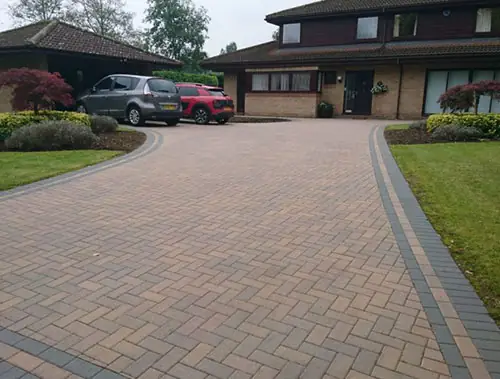
.webp "Concrete Flatwork Guide for Driveways, Patios, and Slabs")
Concrete Flatwork Guide: Driveways, Patios, and Slabs
Among the most versatile materials in use for residential and commercial construction is concrete. Whether it's a driveway, patio, walkway, or foundation slab, installed concrete flatwork can last a property for decades, providing a durable, practical surface.
But there's more to it than just pouring concrete if you want to get it done right. The final surface is affected by site preparation, grading, reinforcement, finishing, and curing. Property owners who are planning to install concrete flatwork or resurface an existing project in Dallas, TX and Fort Worth, TX may want to learn about the concrete flatwork process to make informed decisions.
Concrete Flatwork: What It Is and Where It's Used
Concrete flatwork is the horizontal concrete poured over a set base. Flatwork is used for stable and usable surfaces for vehicles, pedestrians, equipment, and outdoor living areas, unlike vertical concrete applications like walls.
Common applications include:
- Driveways
- Patios
- Sidewalks
- Walkways
- Garage floors
- Parking areas
- Concrete slabs
- Pool decks
The preparation under the concrete is very critical. Proper base compaction, thickness, reinforcement (if needed), and correct joint placement are essential to a strong slab.
The Importance of Proper Site Preparation
The performance of concrete is greatly affected by the ground under it. Areas can settle, crack, or become uneven over time due to poor soil conditions or inadequate compaction.
Contractors assess drainage and take out any unstable materials prior to pouring. The correct preparation of a base ensures that weight is spread out and surface damage is minimized.
Thickness Must Be Consistent with the Application
It is not necessary to use the same thickness over all concrete surfaces. The loads for a pedestrian walkway are different from those of a driveway used by heavy vehicles.
Select the right thickness for the purpose to enhance durability and avoid future repairs.
What Is the Process of Creating Concrete Driveways That Last?
Vehicles, temperature fluctuations, moisture, and daily use put stress on concrete driveways. Therefore, the quality of installation is directly related to their lifespan.
The typical driveway project includes excavation, base preparation, forming, reinforcement, concrete placement, finishing, and curing. Expansion or control joints are also introduced judiciously to control the natural movement of concrete.
Drainage Can Help to Preserve the Surface
Pools of water can cause soil erosion and degradation of the surface. The correct slope will cause water to flow away from the driveway rather than puddling around the slab.
When replacing an existing driveway, if settlement is evident or frequent water issues are occurring, drainage planning is a critical aspect to consider.
Finishes Are Both Safe and Attractive
There are various ways of finishing concrete, depending on the requirements of the property. The use of broom finishes for traction and decorative finishes for interest and texture are available.
The finish should fit in with the way the surface will be used and the look of the property.
Concrete Patios Are a Popular Outdoor Upgrade
A concrete patio is an excellent foundation for outdoor furniture, dining areas, grills, and entertainment spaces. Also, it can be customized in different shapes, textures, and finishes.
New flatwork methods in Dallas, TX and Fort Worth, TX are enabling homeowners to transcend that plain gray surface. Decorative coatings, exposed aggregate, and stamped patterns can help create a more unique look for patios.
Designing the Patio Plan
It can be useful to think about what the room will be used for prior to installation. A patio that's designed for a small seating area will differ from a patio that's designed for outdoor gatherings.
Access, drainage, landscape, and future additions should all be planning considerations.
Maintaining Patios Helps to Create Longer Patio Lives
Typically, concrete patios have low maintenance requirements. Cleaning regularly and dealing with minor damage as soon as it occurs can help prolong the surface.
Sealing may also offer extra protection depending upon the finish and exposure.
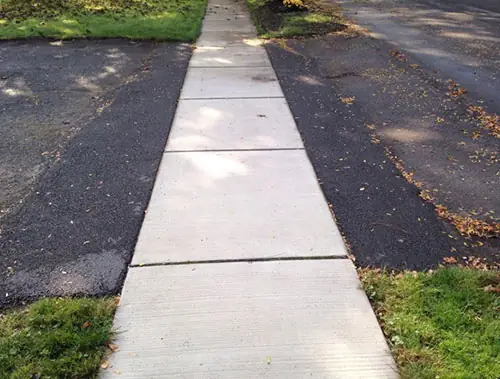
.webp "Concrete Driveways, Patios, and Slabs Guide")
When Is It Time to Think About Concrete Resurfacing?
Not all damaged concrete surfaces need to be replaced. If the underlying slab is structurally intact, resurfacing can enhance its appearance and performance.
Concrete driveway resurfacing in Dallas, TX and Arlington, TX can alleviate surface problems like discoloration, small cracks, worn finishes, and shallow scaling.
Resurfacing includes preparing the old surface and adding an overlay of a compatible material to provide a new finish.
Not All Slabs Will Benefit from Resurfacing
More extensive repairs may be necessary where there are deep structural cracks, major settlement, or major drainage issues. Addressing the problem and putting a new surface layer on it without addressing the underlying problem can result in recurring damage.
An inspection is used to find out if resurfacing or replacement is the best option.
Selecting the Proper Resurfacing Strategy
Different solutions may be recommended based on the condition of the concrete floor and how it will be used. Property owners may hire concrete floor resurfacing contractors in Dallas, TX to determine an appropriate approach.
Garage floors, patios, driveways, and commercial areas are all subject to varying types of traffic and exposure. The resurfacing material should be suitable for those conditions.
What Is the Role of Concrete Flatwork in Commercial Buildings?
Concrete flatwork is also vital in commercial areas. Sidewalks, entryways, loading areas, parking surfaces, and exterior slabs should be safe and functional with increased usage.
Damaged surfaces can pose safety hazards and block access, requiring property managers to take action.
Parking Lot Restoration & Surface Maintenance
Parking lot restoration in Dallas, TX, Fort Worth, TX and Arlington, TX may include fixing damaged concrete areas, enhancing drainage, fixing surface deterioration, and renewing functional areas.
A periodic inspection may discover cracking or settlement and other issues in time to avoid larger restoration efforts.
Coordinating Exterior Property Improvements
Sometimes concrete work is done in conjunction with other outside work. Property owners might, for instance, bundle up surface repairs with vinyl siding replacement solutions to boost the function and curb appeal of your property.
Multiple exterior projects can be coordinated to minimize disruption and also to provide a more comprehensive approach to the property improvement plan when siding replacement Dallas projects are planned or siding installation Dallas projects are planned.
TCRN and Construction LLC
TCRN and Construction LLC is a company that offers construction and property improvement services based on the real needs of residential and commercial properties.
Whether it's for concrete surfaces and restoration work, or exterior improvements, the company strives to deliver effective results that enhance long-term property value.
The site conditions, usage, and design goals of each project are unique. With careful planning, the recommended solution can be tailored to the property's needs.
When planning a new concrete project, restoring a surface, or doing any other exterior concrete project, the process can be more organized from planning through completion when you have a good construction team.
.webp "Experts for Residential Concrete Flatwork, Patios and Slab by TCRN and The Construction LLC")
Conclusion
Concrete flatwork is a crucial part of the construction of driveways, patios, slabs, walkways, and commercial surfaces. Concrete is inherently strong, but its performance will rely on correct preparation, installation, drainage, and maintenance.
The first step in deciding whether to install, repair, resurface, or replace a surface is to understand the condition and intended use of a surface. Concrete surfaces can last for years if they are given the proper treatment and care, and will be functional, attractive, and reliable.
Frequently Asked Questions
1. What Does Concrete Flatwork Entail?
Concrete flatwork refers to horizontal concrete surfaces like driveways, patios, sidewalks, walkways, garage floors, and concrete slabs.
2. How Long Does a Concrete Driveway Last?
A well-constructed and maintained concrete driveway can endure for many years. Lifespan is a function of quality of installation, climate, traffic, drainage, and maintenance.
3. Is It Possible to Resurface Damaged Concrete?
Resurfacing can be appropriate for damage on the surface of a concrete pavement. But if there are significant structural problems with slabs, they might need repair or replacement.
4. Concrete Cracks Over Time – Why?
Natural shrinkage, soil movement, temperature changes, heavy loads, poor drainage, or inadequate installation practices can cause cracks in concrete.
5. Who Should I Pick a Concrete Contractor From?
Find a contractor who has experience with the type of project you are looking for, provides you with clear estimates, understands site preparation and has a long-term solution that takes drainage and performance into consideration.